This is the culminating activity we did after a 5 part hands-on unit on Animals and Zoology. We held an animal-themed dinner. (Recipes are included.) The children each presented on an assigned phylum, class, or order of animals. In addition, they sang some of the animal classification songs we’ve been learning during our unit. Also included are the field trips we attended while studying this unit study. My lessons are geared toward 3rd-4th grade level children and their siblings. These are lessons I created to do with a weekly homeschool co-op. We meet each week for 2 1/2 hours and have 14 children between the ages of 0-13. Use these fun lessons with your classroom, family, after school program, camp, or co-op!
Please DO NOT copy this elsewhere without giving proper credit:
http://iijuan12.hubpages.com/hub/animal-classification-presentations-and-field-trip-ideas .
type=text
Presentations
Below are the assigned phylum, class, or order of animals. Except for the last 2 (both assigned to the youngest of our group), we did not be study these during our unit. The children got to teach us about each of these incredible creations.
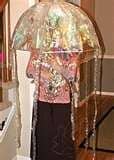
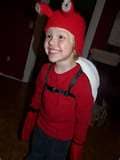
Here are the directions I provided for each family: It would be delightfully memorable if your child dresses up as an animal from that phylum/class. If you need ideas, let me know. Also, if your child wants to bring along a report or display board, drawing or painting, lapbook, and/or actual specimens of their assigned animals, that would be great too! The below animals are not necessarily the only animals in that phylum/class/order. They’re just a few examples.
If you need costume ideas, check out this great webpage: Coolest Homemade Costumes. If you need a good link for research ideal for a young child, go to animalstown.com.
Phylum Porifera (Sponges)
Phylum Coelenterata (Cnidaria: Corals & Jellyfish)
Phylum Mollusca/Mollusks: Class: Gastropods (snails and slugs)
Phylum Mollusca/Mollusks: Class: Cephalopods (squid, cuttlefish and octopus)
Phylum Mollusca/Mollusks: Class: Bivalvia/Bivalves (clams, oysters, scallops, & mussels)
Phylum Annelida (Segmented Worms: ragworms, earthworms and leeches)
Phylum Echinodermata (starfish, sea urchins, sand dollars, & sea cucumbers)
Phylum Arthropods: Class Crustaceans (crabs & shrimp)
Phylum Arthropods: Class: Myriapods (millipedes & centipedes)
Phylum Chordata: Class Chondrichthyes (Sharks, Rays, and Skates)
Phylum Chordata: Class Mammalia: Order Chiroptera (Bats)
Animal Classification Songs
We’ve been learning and reviewing some of the songs from these CD’s throughout this unit. We sang a song between most of the presentations.
type=text
Animal-Themed Dinner
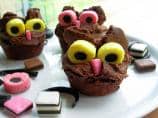
We began with an animal-themed dinner. Each family brought a main dish and either a side-dish or dessert to share. Here are some recipe ideas to inspire you.
Recipe ideas:
Snakes on Sticks (breadsticks)
type=text
Field Trip Ideas
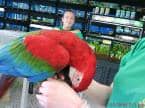
We went to pet stores (Hogtown Reptile Shop & Petsmart in Gainesville and Rainbow Bird Land Pet Center in Live Oak), the zoo, a state park, and the Museum of Natural Science. “Considering God’s Creation” has GREAT worksheets for the kids to fill out to classify the animals you see.
Ready to see the lessons?
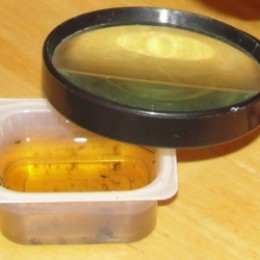
Examine pond water and yeast cells under a microscope, test out various insect mouths, dissect a fish, create an egg model, perform a play about mammals, present on a specific animal phylum or genius, and more during this fun 5 part hands-on unit study on animal classification!
- Taxonomy, Animal Classification, and Invertebrates Lesson – This is part 1 of a 5 part hands-on unit study on zoology. Examine pond water and yeast cells under a microscope, dissect an oyster, sing “The Six Kingdom Song,” eat 5 of the kingdoms on a supreme pizza, and more!
- Insects and Spiders Lesson – This is part 2 of a 5 part hands-on unit on zoology. Test out various insect mouth types, examine insect parts under a microscope, make and eat edible ants, test out spider webs for vibration, and more!
- Amphibians, Reptiles, and Fish (Cold-blooded Vertebrates) Lesson – This is part 3 of a 5 part hands-on unit study on Zoology. Peel your “skin” like a reptile, dissect a fish, make origami jumping frogs, compare amphibian and reptile eggs by feeling tapioca and grapes, and more!
- Birds Lesson – This is part 4 of a 5 part hands-on unit on zoology. Create an egg model, make edible nests, test out various types of beaks, compare bird bones with mammal bones, examine various feathers, dissect a gizzard, sing a song about bird traits, and more!
- Mammals Lesson – This is part 5 of a 5 part hands-on unit on zoology. Perform a play about mammals, experience how blubber keeps marine mammals warm, sniff out your “baby,” examine animal skulls, dissect an owl pellet and piece together a rodent skeleton, and more!
- Zoology Presentations and Field Trip Ideas This describes the culminating activity for the 5 part hands-on unit on zoology. The children each presented on an assigned phylum, class, or order of animals. They also sang some of the animal classification songs and enjoyed an animal-themed meal. (Recipes are included.) Also included are the field trips we attended during this unit.
Konos Volume I includes this unit study on Animal Classification in its charter unit study on Orderliness.
Konos Curriculum
Would you like to teach this way every day?
I use Konos Curriculum as a springboard from which to plan my lessons. It’s a wonderful curriculum and was created by moms with active boys!
If you’re new to homeschooling or in need of some fresh guidance, I highly recommend Konos’ HomeSchoolMentor.com program! Watch videos on-line of what to do each day and how to teach it in this great hands-on format!
© 2011 Shannon
Leave Me a Note or Ask Me a Question – Let me know you dropped by! Was this lens helpful? Do you have any questions, comments, or additional ideas? Please post
julieannbrady on June 09, 2012:
Oh my! But you captured my interest at the recipes! Quite creative:
Buggy Salad
Spider Web Nacho Dip
Penguin Hard-boiled Eggs
Frog Egg Salad
Snakes on Sticks
Nothing better than a creative teacher to inspire her eager students!
Leave a Reply