
Napoleon Crossing the Alps, romantic version by Jacques-Louis David in 1805
Below you’ll find my lesson plan focused on Phase 1: Napoleon and Early Missions from “World Empires, World Missions, World Wars” by Diana Waring, part of the History Revealed curriculum. I used this during a weekly 50-minute homeschool co-op world history class!
Napoleon
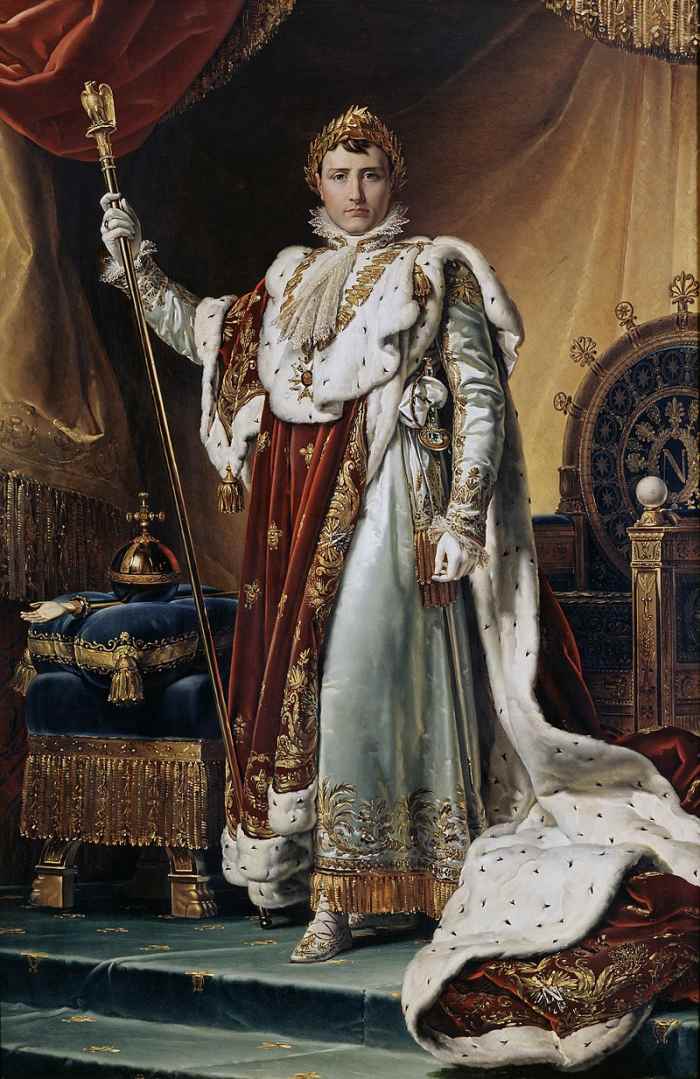
Napoleon in his coronation robes by François Gérard, c. 1805
- Pass out tickets to students who did their homework. Give tickets to students who read Bible passages and who answer questions. (Tickets are given as rewards and will be used at the end of the semester to redeem for prizes.)
- Have a student read Mark 13: 7 – 8. How do you think these verses pertain to this period of history?
*Note: As you through the questions, include additional information from the Teacher’s Edition.
- Question 1 from p. 31 in “World Empires, World Missions, World Wars” by Diana Waring.
- Can you name some of the events that took place during & as a result of the Napoleonic Wars?
- Who was Napoleon fighting?
- What are 2 battle locations mentioned?
- What was the name of the British Naval officer who defeated Napoleon?
- Questions 2, 3, & 5 from p. 31 in “World Empires, World Missions, World Wars” by Diana Waring.
YOU WILL NEED:
- tickets, World Empires, World Missions, World Wars by Diana Waring (brought by students) and a Bible
American Events During This Time Period
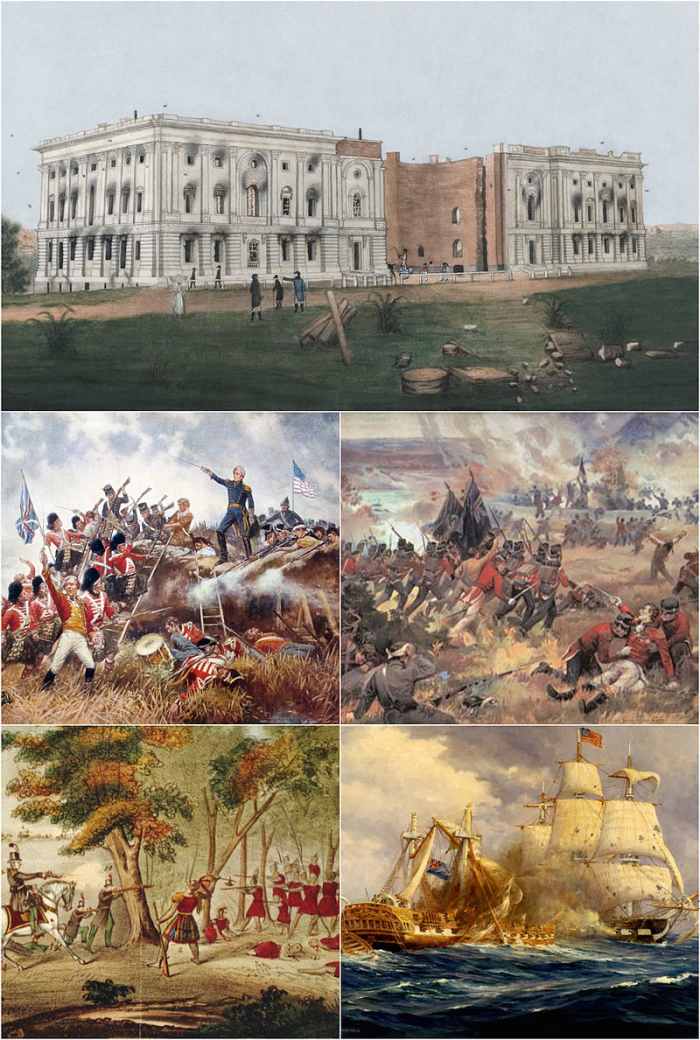
Montage of images relevant to the War of 1812. Clockwise, from top: Damage to the US Capitol building after the Burning of Washington. The mortally wounded Isaac Brock spurs his troops on at the Battle of Queenston Heights. USS Constitution vs HMS Gu
- Question 4 from p. 31 in “World Empires, World Missions, World Wars” by Diana Waring.
- What was America doing at the time of Napoleon’s Wars?
- Do you think the War of 1812 would have occurred between the US & Great Britain if Napoleon hadn’t been aggressively seeking to master the European continent?
YOU WILL NEED:
- “World Empires, World Missions, World Wars” by Diana Waring (brought by students)
- Watch Watch Crash Course Napoleon. (Mute 2 parts: about adultery & about Napoleon pointing at a woman’s chest)
William Carey: Father of Modern Missions
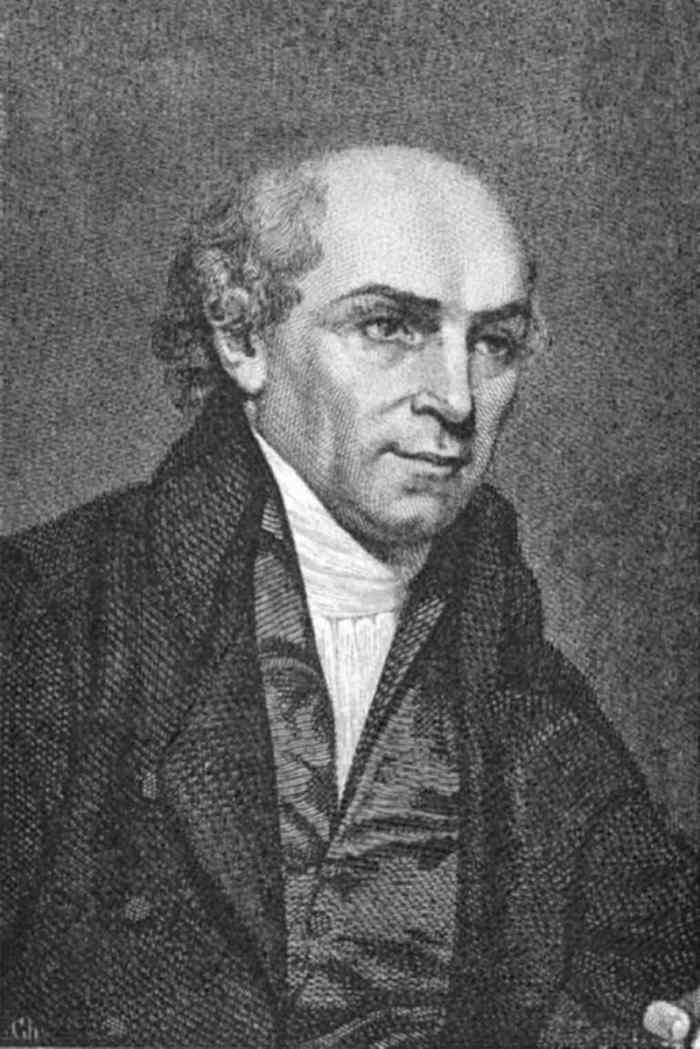
William_Carey
- Have a student read Matthew 28: 18-20. How does this relate to William Carey?
- Who in the world was William Carey, and why does he matter? What can we learn from his life? Perseverance What was so ironic about William Carey’s position as an instructor at the University?
- Questions 6 from p. 31 in “World Empires, World Missions, World Wars” by Diana Waring.
YOU WILL NEED:
- tickets, “World Empires, World Missions, World Wars” by Diana Waring (brought by students) and a Bible
- The British & Foreign Bible was founded in 1804 to print Bibles in different languages. Imagine what it would be like to not have a Bible in your native tongue but only in a language you can barely understand. How do you think this organization made a difference in missions?
- Watch William Carey: (which is an okay video – I’d love to find a better one that’s short enough): He Suffered Incredible Losses To Bring The Bible To India | William Carey Following Jesus
Research & Reporting Homework Assignment

Toussaint L’Ouverture, as depicted in an 1802 French engraving
(I’d hoped we’d get through William Wilberforce but we didn’t. We’ll discuss him next week.)
- Go over what to do for their Research Projects due next week.
- I photocopied the extra ideas from the Teacher’s Edition so they could have additional options.
- I passed out the Rubric Sheet so the students can see what they should include. Read aloud what students will be graded on. They will earn a ticket for each point they earn on the Rubric Sheet.
- At minimum they should select a person or topic from pp. 39-41 and either read a book about it (preferred) or watch a video on it. Tell us what it said.
- Don’t forget to include a visual such as a poster board, picture from a book, drawing, etc.
YOU WILL NEED:
- “World Empires, World Missions, World Wars” Teacher’s Edition by Diana Waring and Rubrics for Grading Creative Projects in the History Revealed Curriculum by Diana Waring
Homework
- Decide on a research project from pp. 39-41. Complete the research project. Ask “Why?” & “How?” (Tip: Look over the Rubric to make sure you included all the parts of the project.)
- Optional: Listen to tracks 1-2 of True Tales OR watch a YouTube video on William Carey or William Wilberforce.
Our Favorite Children’s Books on Napoleon & Early Missions

Who Was Napoleon? by Jim Gigliotti – Image is from amazon.com
Below were our favorite children’s books for this unit:
Napoleon:
- Who Was Napoleon? by Jim Gigliotti (a short 112-page chapter book with black and white illustrations)
- Napoleon by Lucy Lethbridge (64-page colorful children’s biography picture book – best for early elementary)
- Napoleon : the story of the little corporal by Robert Burleigh (colorful children’s biography with classic paintings as the illustrations)
- Daring dogs : 30 true tales of heroic hounds by Kimberlie Hamilton (has 1 page on Fortune, the pug owned by Napoleon’s wife, who bit Napoleon & left a scar)
- I, Crocodile by Fred Marcellino (a cute fictional account about a crocodile that gets taken from Egypt to Paris by Napoleon – This is not a true story but is just for fun.)
- Napoleon vs. the bunnies by Jennifer Fox (a cute very slightly historical children’s picture book about Napoleon deciding to not hunt bunnies)
- Bones never lie : how forensics helps solve history’s mysteries by Elizabeth MacLeod (chapter book with photographs & illustrations that includes a chapter on if Napoleon was murdered/poisoned)
- Blades of freedom by Nathan Hale (longer graphic/comic-book-style chapter book about Napoleon)
Beethoven: (who admired Napoleon until Napoleon crowned himself emperor)
- Ludwig van Beethoven (Revised Edition) (Getting to Know the World’s Greatest Composers) by Mike Venezia (picture book biography giving an overview of Beethoven’s life)
- Beethoven’s Heroic Symphony by Anna Harwell Celenza (picture book about Beethoven writing and dedicating a symphony to Napoleon and then changing its dedication once Napoleon crowned himself emperor)
Toussaint L’Ouverture:
- Open the door to liberty! : a biography of Toussaint L’Ouverture by Anne F. Rockwell (a shorter chapter book with colorful illustrations like a children’s picture book)
Looking for all my History Revealed Lessons?
World Empires, World Missions, World Wars.
UNIT 1: NAPOLEON & EARLY MISSIONS
- Napoleon Lesson Plan (Unit 1: Phase 1)
- Napoleon Exploration and Discovery Lesson Plan (Unit 1: Phase 2)
- Napoleon Art, Music, Architecture, and Science Hands-on Lesson Plan (Unit 1: Phase 3)
© 2025 Shannon
Leave a Reply