Medieval Feast
Medieval Feast and Field Trip Ideas
This is the culminating activity we did after a 5 week hands-on unit on the Medieval Period. We held a festive feast complete with entertainment and much merriment. Also included are the field trips we took during our unit. My lessons are geared toward 4th-5th grade level children and their siblings. These are lessons we created to do with a weekly homeschool co-op. We meet each week for 2 1/2 hours and have 33 children between the ages of 1-13. Use these fun lessons with your class, family, homeschool co-op, after school program, or camp!
Two Options:
A Themed Dinner or a Class Lesson
Choose between
- An evening meal with food and decorations prepared ahead of time (what is below) or
- A class/co-op lesson with the children decorating, cooking, and eating the feast all within a two hour period (Medieval Feast Lesson Plan)
Below is a description of what we did as a themed-dinner. I included:
- Decorating
- Menu
- Order of Events
- Field Trip Ideas
Decorating for the Medieval Banquet
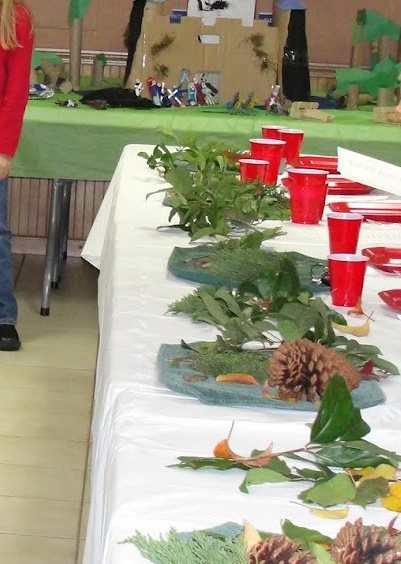
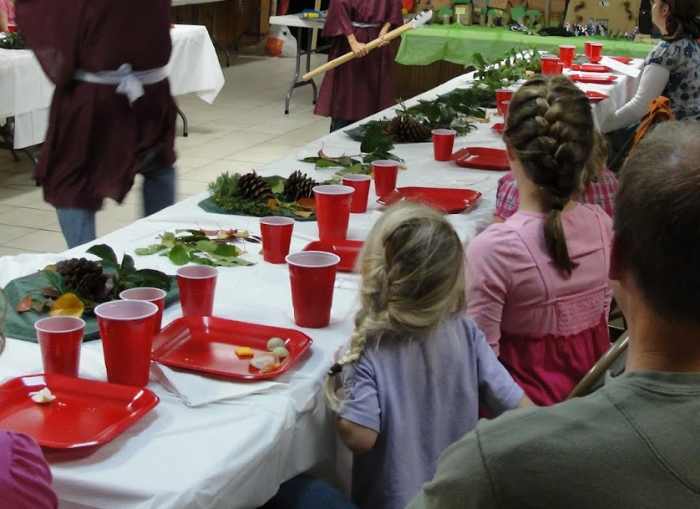
Tables set in a U shape with greenery decorations
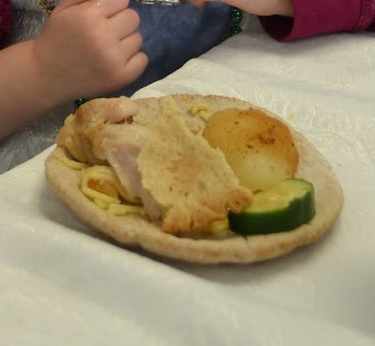
If you’d like to be more authentic, use trenchers (bread — such as pita) instead of plates.
Decorating can be pretty simple or as elaborate as you’d like.
- We placed our tables in a U-shape and used white tablecloths. We decorated the tables with cut greens and candles.
- If you have pewter-colored plates (or even aluminum), use them. We provided “goblets,” knives, plates, and napkins for each setting. Yes, we ate with our hands.
- If you want to be more authentic, use “trenchers” (dishes made from bread) instead of plates.
- If desired, at each table place a few small spice dishes with dried sweet basil, cinnamon sugar, and ground mustard to use to flavor the meat. At the king and queen’s table you can put salt in a decorative container so that you can mention how important people sit “above the salt.”
- If desired you can also prepare an aquamanile (container for hand-washing). Put warm water with sweet herbs or flowers in it and have ready a bowl to catch the dirty water and several towels for hand drying.
Menu: Multi-Course Meal
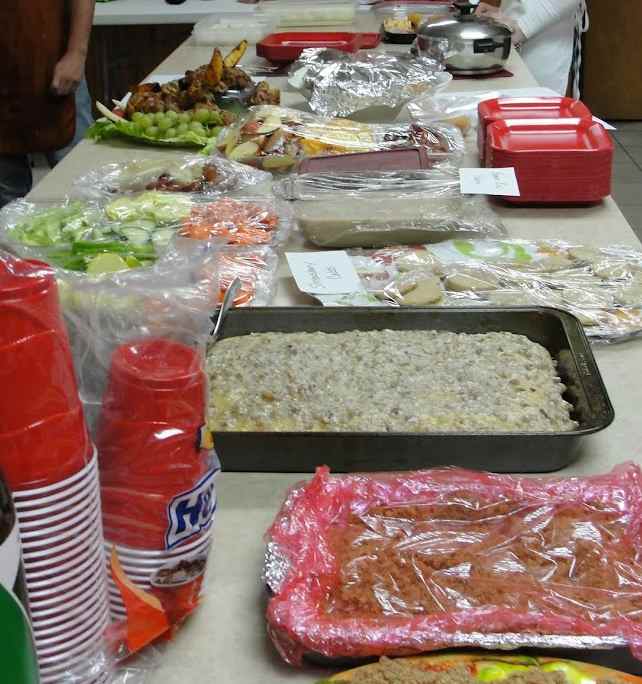
Food set out to be served in multiple courses
You’ll want a multi-course meal with entertainment interspersed between courses. We had a multi-course meal that included:
- Presentation of the boar’s head
- Breads
- Soup (herb & barley soup)
- Appetizers (cheese platter, fruit platter, & boiled eggs)
- Meats (boar’s head meatloaf*, “wild boar”/ham and roasted chicken) and side dishes (“salat”/salad, cooked greens, and “makerouns”/macaroni and cheese)
- Frog Leg Pie: Before the dessert, we served “Frog Leg Pie” which was really a baked pie crust set atop a pie plate filled with candies. The kids were so surprised when they cut into the pie!
- Desserts (marzipan, fruit tarts, and baked pears).
- Wassail: We also served wassail as our beverage.
Boar’s Head
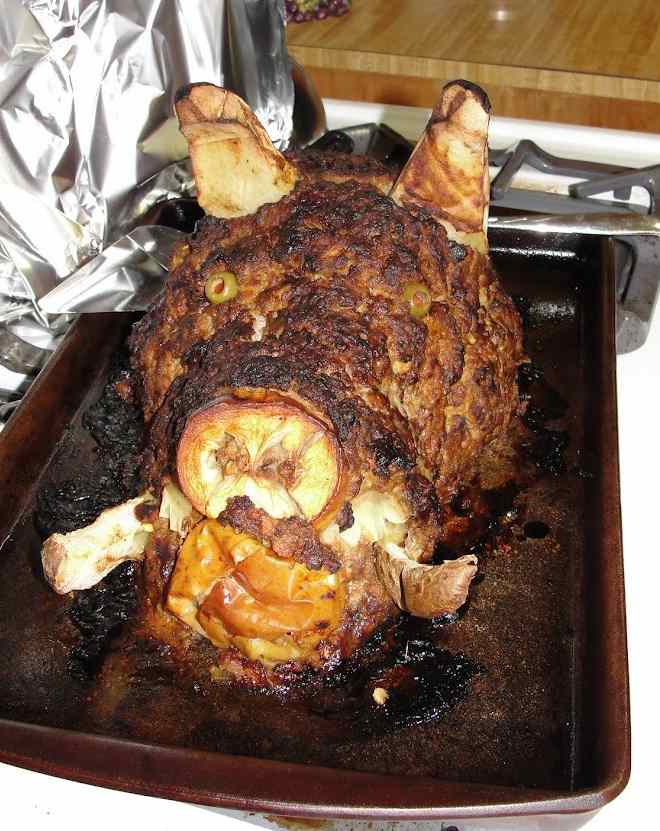
Attempt #1 at a meatloaf-version of a “boar’s head”
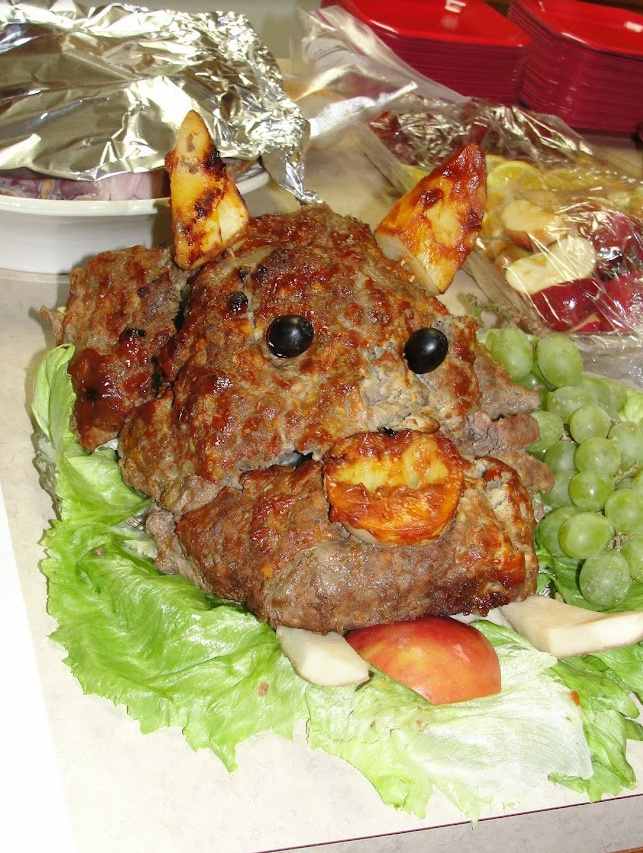
Attempt #2 at a meatloaf-version of a “boar’s head”
Sliced ham version of a boar’s head
What’s a Medieval Feast without a Wild Boar’s Head? We also made a wild boar’s head out of meatloaf. We used potatoes for the ears, tusk, and snout. We painted it with a soy sauce & ketchup glaze. We used black olives for the eyes and out an apple in its mouth. It actually looked better before we tried to transfer it onto a platter. If you attempt to make this, SERVE IT FROM THE BAKING PAN! Don’t try to move it. We learned the hard way and had to piece it back together again. Simply use lettuce leaves and grapes to hide the ugly baking pan. Making this was unique and memorable, though I think I’d prefer to make this version out of a sliced ham next time.
Medieval Recipes
If you’d liked to find more recipes and menu ideas try these websites:
- Gode Cookery contains original medieval recipes followed by modernized versions.
- Medieval Feast Menu provides a menu and recipes for medieval salad, macaroni and cheese, baked pears, baked chick peas, and peas & onions. They also bought rotisserie chickens for their meal.
Order of Events
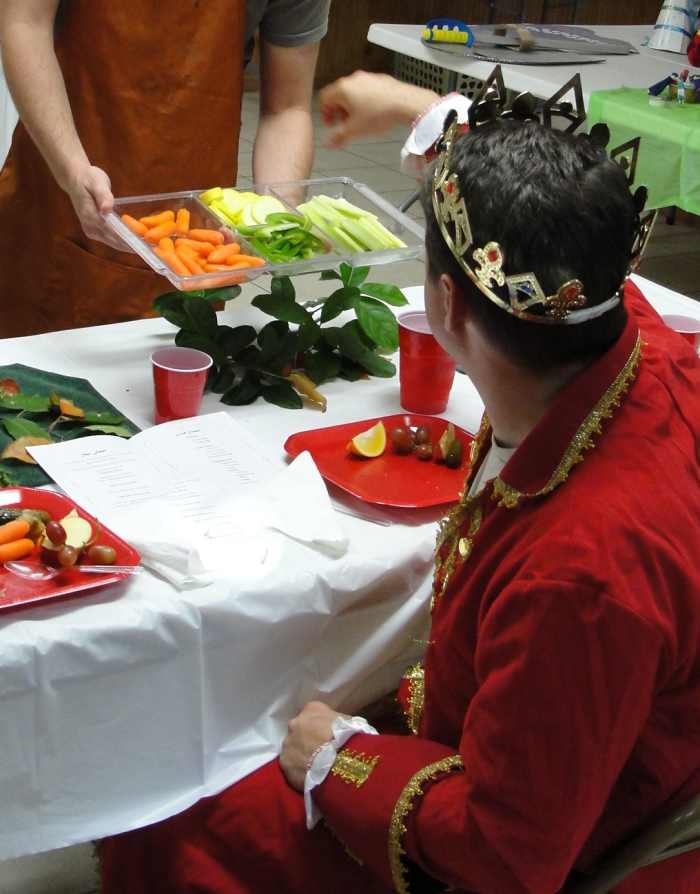
- Trumpet Entry: When everyone has arrived, have everyone leave the room and then enter family by family. Have someone play the trumpet (use a toy trumpet if needed) and announce each family as they enter.
- Finally the herald will announce, “All stand please for their royal highnesses.” The King & Queen of the ceremony (i.e. the person who planned this medieval study or whomever else you would prefer to take on that role) will enter.
- Welcome: The king or queen will welcome everyone, saying something like, “Welcome one and all. May God richly bless this sacred occasion with both merriment & peace. You may be seated.”
- Toasts: A child can make a toast saying something like, “Let the festivities begin. It’s time to raise your glass of Wassail, but take heed not to drink until our toasts have been complete” and then, “A toast to your health. May success, prosperity, and the blessings of our Heavenly Father be with you all! Wassail! (Everyone repeats) Once more, please! Wassail! (Everyone repeats)”
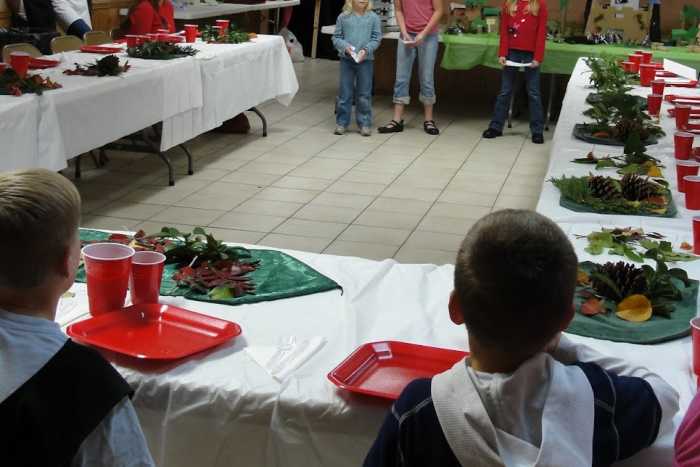
- Manners & Customs: Let various children read some of the manners and customs of those days saying something such as:
- Child 1: Good ladies and fine gentlemen, it has been told that at one such banquet as this there was a pie described as 9 feet in diameter weighting 165 pounds, containing 2 bushels of flour, 29 pounds of butter, 4 geese, 2 rabbits, 4 wild ducks, 6 snipes, 4 partridges, 2 neat’s tongue, 2 curlews, 6 pigeons, and 7 blackbirds. We have no such pie to offer you today, but we do have many delightful surprises tonight. But, before you eat, instructions in table manners we must repeat:
- Child 2: Guests must have clean nails or they will disgust their table companions.
- Child 3: Guests must avoid quarreling and making grimaces with other guests.
- Child 4: Guests must not tell unseemly tales at the table, or dip their thumbs in their drinks.
- Child 5: They must not rest their elbows or legs upon the table.
- Child 6: Guests must not wipe their greasy fingers on their beards.
- Child 7: Guests must not leave bones on the table, always hide them under the chairs.
- Child 8: Guests must not sneeze, cough or wheeze at the table, and if one is sick, be it fatal or non, one must not touch the common food, but must ask a healthy person in the distribution of the food.
- Child 9: And remember to eat quietly while the performers are entertaining us. So now good folks, since the instructions in table manners have been made clear, let us eat, drink, and be merry. Bring on the boar’s head!
(This script came from Jessica from the KONOS Homeschool Curriculum Yahoo Group.)
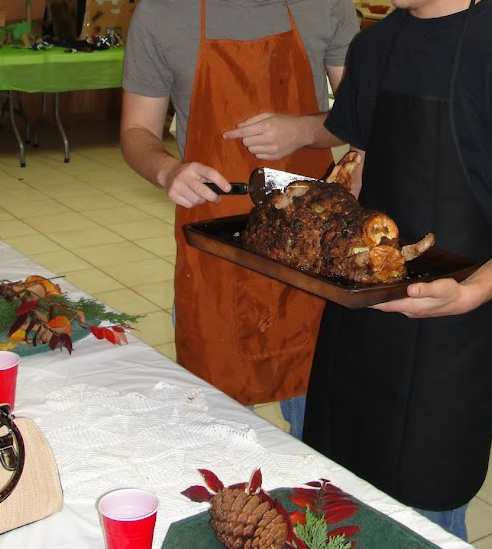
- Present the wild boar’s head to the King & Queen of the ceremony and have them announce that the dinner will begin.
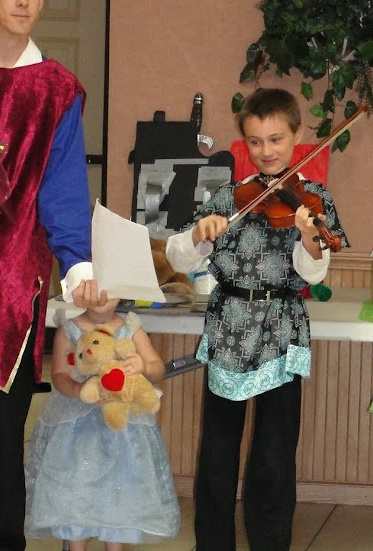
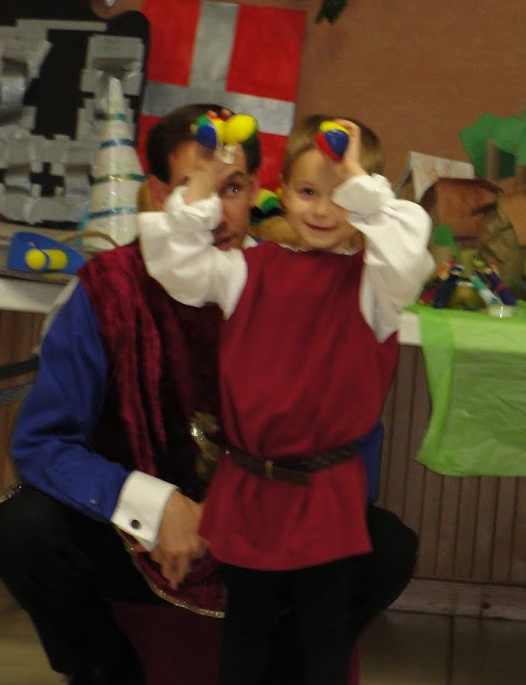
- Intersperse meal courses with entertainment. Each family is in charge of providing some form of entertainment. We had:
- Jesters who told jokes
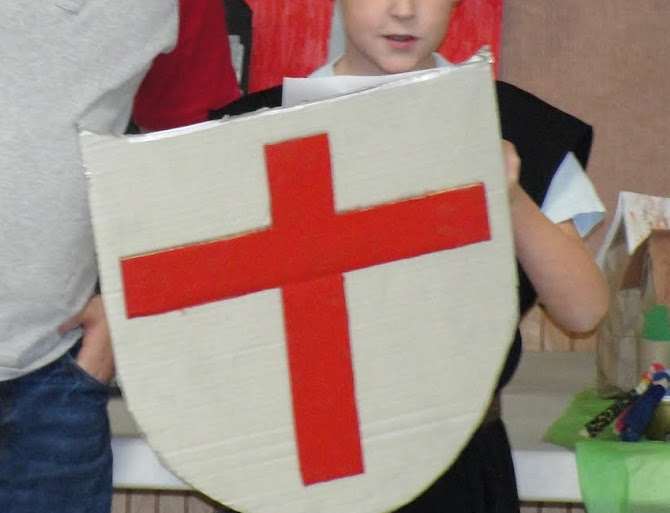
- Royal knights who performed martial arts
- A minstrel who played his violin
- A bard who read a poem and told riddles
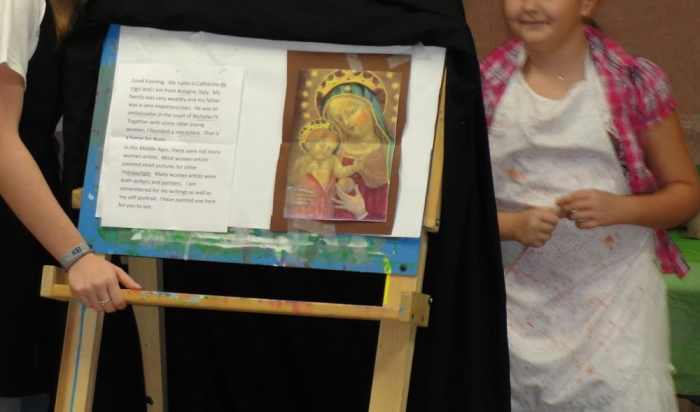
- An artist who created a Medieval portrait before our eyes
- Acrobats
- Dancing bears act (2 younger children who danced around their teddy bears)
- A knight fighting a dragon (a child wearing a dragon costume)
- A jester who fumbled around with juggling
- Trumpet signals the end of the banquet.
***SERVICE STAFF TIP: Recruit and/or hire teenagers (older siblings & their friends, youth group members, and/or children looking for volunteer service hours) to serve the foods between courses. It is worth it to be able to simply enjoy the meal and not have to do all the serving!***
Field Trip Ideas
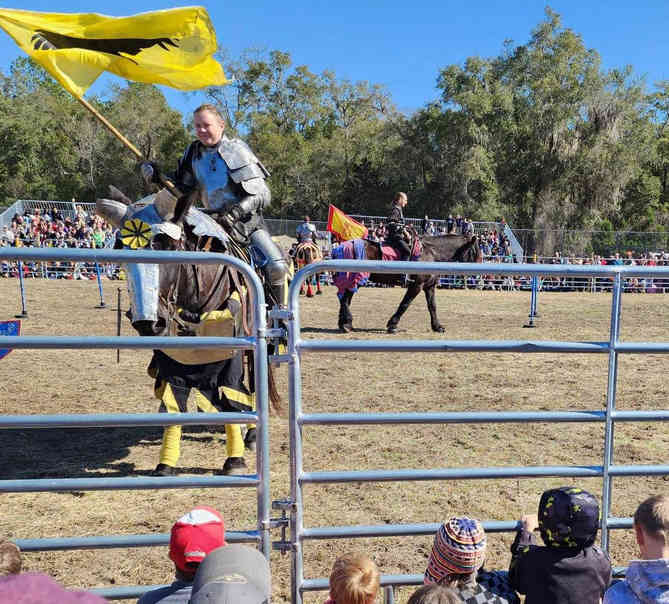
Jousting at the Medieval Fair
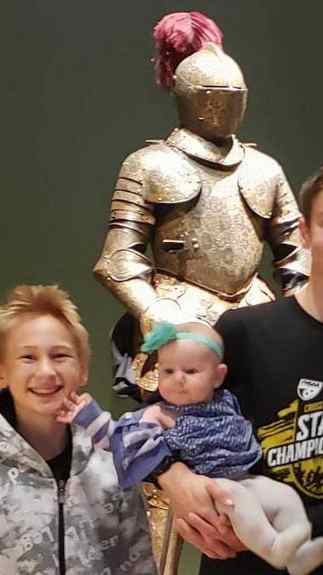
Traveling display of armor at the Cummer Museum of Art
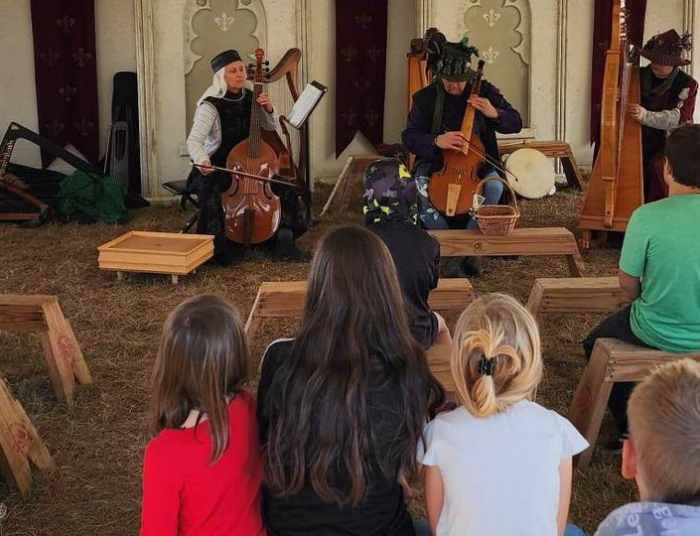
Listening to a Medieval concert
While studying the Medieval Period, we:
- attended our local Medieval Fair (Hoggetowne Medieval Faire)
- visited a college library’s special collections display that included a number of scripts from the medieval period. We got to see and feel parchment containing medieval music, see a page from the Gutenberg Bible, see a Doomsday Book, see numerous Bibles from the Middle Ages, and more.
- visited the Museum of Fine Arts that included a number of art pieces from this time period. We were also able to later visit a traveling exhibit on armor and knights at an art museum.
- attended a Medieval music concert
Ready for the lessons?
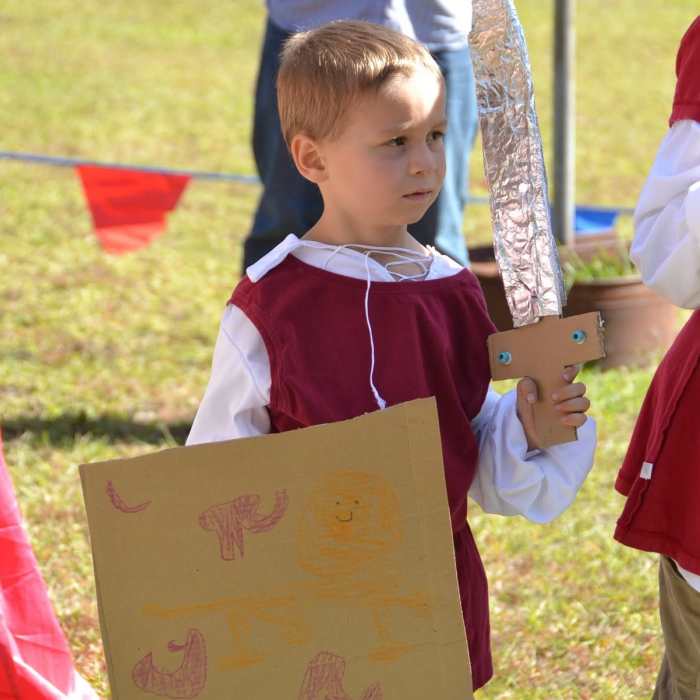
Knighting ceremony and joust from part 5: Knights & Ladies Lesson
Bake medieval meals, create a medieval village, design stained glass window cookies, hold a jousting tournament, and more during this fun 5 or 6 week hands-on unit study of the medieval period!
- Medieval Life Lesson – Cook & eat a Medieval meal, play Medieval games, create Medieval crowns, and more! This is part 1 of a 5 (or 6) part hands-on unit on the Medieval Period.
- Castles Lesson – Build model castles, weapons, and more! This is part 2 of a 5 (or 6) part hands-on unit on the Medieval Period.
- Medieval Art Lesson – Mix together and paint with egg yolk paint, design and eat stained glass window cookies, create colorful tapestries, and more! This is part 3 of a 5 (or 6) part hands-on unit on the Medieval Period.
- Cathedral Lesson – This focuses on Cathedral design and architecture. Decorate stained-glass cookies, design a dome using blocks, sketch each type of cathedral, sing about the true foundation of cathedrals, and more in this fun lesson on cathedrals! This is part 4 of a 5 (or 6) part hands-on unit on the Medieval Period.
- Knights & Ladies Lesson – Create a Coat of Arms and swords, hold a jousting tournament, act out a knighting ceremony, and more! This is part 5 of a 5 (or 6) part hands-on unit on the Medieval Period.
- Medieval Feast Lesson Plan (Option A: Learn as a Lesson) – Decorate a banquet hall, prepare the feast (recipes included), provide entertainment, and more while learning about Medieval Feasts. This is part 6 of a 6 (or 6) part hands-on unit on the Medieval Period.
- Medieval Feast and Field Trip Ideas (Option B: Culminating Dinner Event) – This is the culminating activity we did after a 5 week hands-on unit on the Medieval Period. Hold a festive medieval feast dinner complete with entertainment and much merriment. Also included are the field trips we took during our unit.
- My World History Lessons and Unit Studies (8 unit studies & 40 lessons): Tabernacle, Medieval Period, Leonardo da Vinci, Protestant Reformation, Explorers, China, Russia, & Africa
Kid’s Medieval Feast
Heston Blumenthal on Medieval Food
KONOS Curriculum
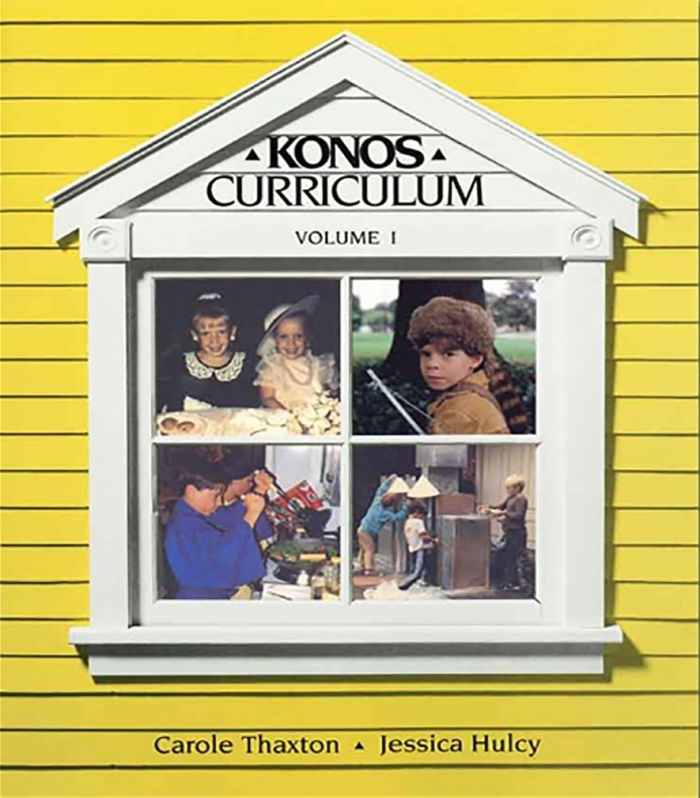
KONOS Volume I
Would you like to teach this way every day?
I use KONOS Curriculum as a springboard from which to plan my lessons. It’s a wonderful Christian curriculum and was created by moms with active children! You can even watch free on-line videos as Jessica, one of the co-authors of KONOS, walks you through a unit. (Look for the Explanation Videos tab.)
© 2012 Shannon
Comments, Questions, or Ideas? – Please leave a note to let me know you dropped by. I LOVE getting feedback from you!
Shannon (author) from Florida on February 26, 2013:
@tfsherman lm: Thank you!
tfsherman lm on February 26, 2013:
I’ll have to remember this for a library summer program. It would tie in so well with Narnia and so many of my favorite books.
Shannon (author) from Florida on June 21, 2012:
@Sylvestermouse: Thank you! The boar’s head was definitely quite an experience to make!
Cynthia Sylvestermouse from United States on June 21, 2012:
These are, of course, excellent suggestions! I do wish I had this several years back when I planned a Medieval feast. I must admit, the most difficult thing for me was the boar’s head 🙂 I ended up delegating that task. lol
Shannon (author) from Florida on June 18, 2012:
@Kailua-KonaGirl: Thank you so much for the sweet comments! It was an especially enjoyable event!
KonaGirl from New York on June 18, 2012:
This is a fabulous lens. The lessons were well thought out and planned. You made the costumes and meals look so authentic and it appears as though you made their home school learning experience one that they won’t soon forget. The photography of the event are wonderful and that Boar’s Head meatloaf was quite innovative. *Squid Angel Blessed* and added to “My Squid Angel Blessings for 2012” in the “Education » Home School Lessons” neighborhood. Well done.
anonymous on February 20, 2012:
What a splendid Medieval Festival page. I can tell that you are very interested in the topic, and made this an experience in itself. I love the presentation, and the decorating ideas are fun!
Leave a Reply