Christian Middle School Biology Lesson: Mammal Dissection
This is the 14th lesson in a series of 32 hands-on Christian lessons covering middle school biology. This lesson focuses on dissecting a mammal with ideas on dissecting on mammal or an owl pellet. I used this plan while teaching a 55 minute middle school biology class. Each lesson plan includes homework assignments and a variety of hands-on activities to make each lesson engaging & memorable. Use these fun lessons with your classroom, homeschool, after-school program, or co-op!
These lessons are written for a class that meets once a week. If your class meets 5 days a week, simply do this lesson one day a week and use the homework assignments (at the bottom of the page) for the work for the other days of the week.
Homework Review & Horns or Antlers
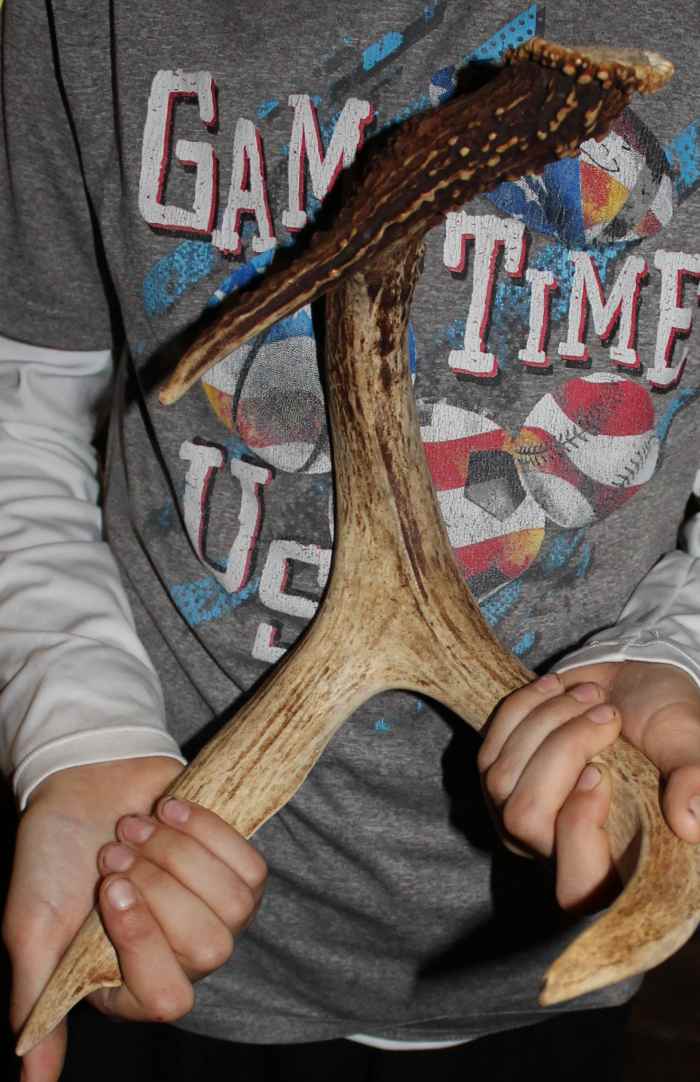
Examining deer antlers
- Go over the homework questions from the book. (I give out tickets for students who volunteer to answer the questions.)
- When discussing the differences between horns and antlers (one of the questions from homework), pass around horns or antlers if you have them.
You will need:
- horns and/or antlers (Usually if I ask ahead of time, at least 1 family will have an antler they can bring to class.)
Dissecting a Mammal: 3 Options
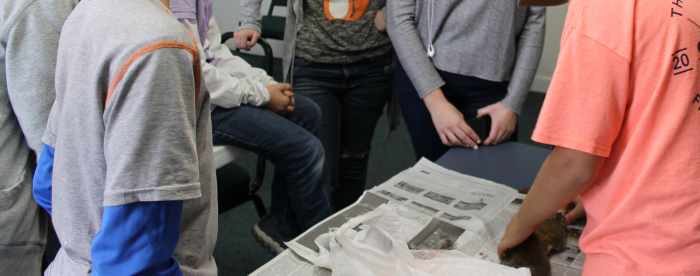
Dissecting a squirrel
This year one of my students led the class in dissecting a squirrel. In past years we dissected owl pellets. Dissecting a fetal pig is a third option.
3. Option 1: A squirrel: One of my students hunts, and his family will occasionally kill squirrels for stew meat. He has cleaned squirrels before & demonstrated the process along with cutting open and showing the main organs along with the muscles and tendons of the legs. We were amazed at how long its teeth are and at how long its intestines are.
You will need:
- a squirrel, sharp knife, hard plastic disposable plate, disinfectant wipes, & disposable gloves
4. Option 2: Fetal Pig. I think the most common mammal dissection for this age is to dissect a fetal pig. We usually purchase our dissection specimens from www.homesciencetools.com .
5. Option 3: Owl pellets, which I will discuss below in greater detail.
Dissecting Owl Pellets
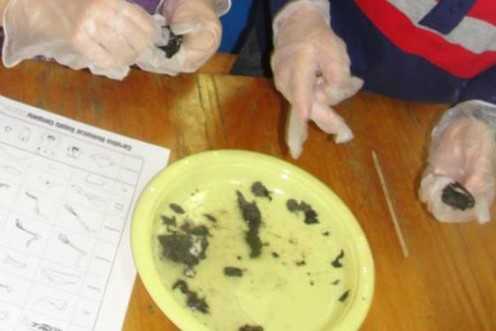
Dissecting owl pellets
Note: If the owl pellets are dry (which they sometimes are), lay them on individual plates and put about 1/8 cup of water on each one to soften them. Do this before you start to discuss about them to give them time to absorb the water and soften.
Introduction
- Today we get to go on a treasure hunt with the owl providing the treasure for us! What might owls eat? What do you know about owl habitat and/or physical characteristics that support your ideas about their diet?
- Owls are birds of prey. They eat rodents. What traits characterize rodents? (long front teeth and have to chew frequently). Name some rodents. (mouse, rat, etc.). Owls will also eat small birds, so I can’t guarantee that you’ll find a mammal today in your treasure.
- Today we will be looking at owl pellets. What are owl pellets? (Regurgitated remains of an owl’s meal, including all the bones of the animals it ate) Owls usually swallow their food whole, digest the edible parts, and then expel the indigestible parts (the bones and fur or feathers) through their mouth as a pellet.
- Owls do not have teeth to chew their food like we do. Instead, they use their beaks to tear at the food and swallow large pieces whole – like a snake. An owl’s stomach has two parts. The second part of the stomach (called the gizzard) prevents bones, hair, and fur passing through the owl’s digestive system. Since an owl cannot digest bones, hair, or fur, it must vomit those things back up. This is called an owl pellet. The pellet can stay in the owl for a few hours, but it must be gagged up before the owl can eat again.
- Since the owl eats animals whole, you can find animal skeletons and other interesting bones inside an owl pellet. That’s what we’ll be looking for today.
Investigating the outside of the pellet
- This is going to be so exciting! It will be just like digging for treasure or going on an archaeological dig for dinosaur bones!
- Pass out the owl pellets and disposable gloves, but tell the children not to touch the owl pellets yet. Have the children look at them. Ask: What do you notice about this owl pellet? Where do you think this might have been found? Can you see any feathers? What do you expect to find inside the pellet? What do you already know about owl pellets that may support your predictions?
- Let’s hypothesize about the bones inside: Will they be big or small? Will they be hard or soft? Will they be whole or broken? What color will they be? Will you find a bunch or just a few? How many different animal skeletons do you think your pellet contains?
- Pass out bone identification sheets such as the ones from from www.carolina.com/ .
Break apart the pellet and EXPLORE!
- Now it’s time for the treasure hunt to dig for bones! Gently pull apart the pellet, being careful not to break any of the bones inside it. Use toothpicks to separate the bones from the fur or feathers. Take special care when removing the skulls and jawbones, since they are the best way to identify the animals that the owl ate. Group similar bones together. When you’ve finished sorting the bones, roll the last bits of fur between your fingers to find little bones or teeth that might have been overlooked.
Identify your skeleton(s)
- Once you’ve found all the bones, try to reconstruct the skeletons of the animal using the bone chart. Ask: How are the bones alike? Different? Do any characteristics of this group of bones provide clues about the animal from which they originated? Look at the evidence. To what animal might these bones belong? What evidence supports your idea? Are there bones of more than 1 animal? What evidence supports your predictions?
- Owls usually eat more than one rodent before regurgitating the remains, so you should be able to find multiple bones that are similar. Can you distinguish between the bones of different kinds of rodents based on their size?
- How many different kinds of animals did you find evidence of in the pellet? How many animals were there in total? What can you conclude about the eating habits of the owl that made your pellet?
Clean up
- Wash hands
- Throw away items or allow students to take home the items in a plastic bag to share with their families. (Almost everyone wanted to take their bones home.)
You will need for each group of 2-3 students:
- an owl pellet
- a disposable plate
- a bone identification sheets such as the one from http://www.carolina.com/pdf/activities-articles/Owl_Pellet_Bone_Chart_grid.pdf
- toothpicks
- plastic baggies
- disposable gloves
(The above script came from me, http://www.carolina.com/teacher-resources/Interactive/science-notebooks-owl-pellet-dissection-inquiry/tr10859.tr, and http://www.hometrainingtools.com/a/owl-pellet-dissection-project#video .)
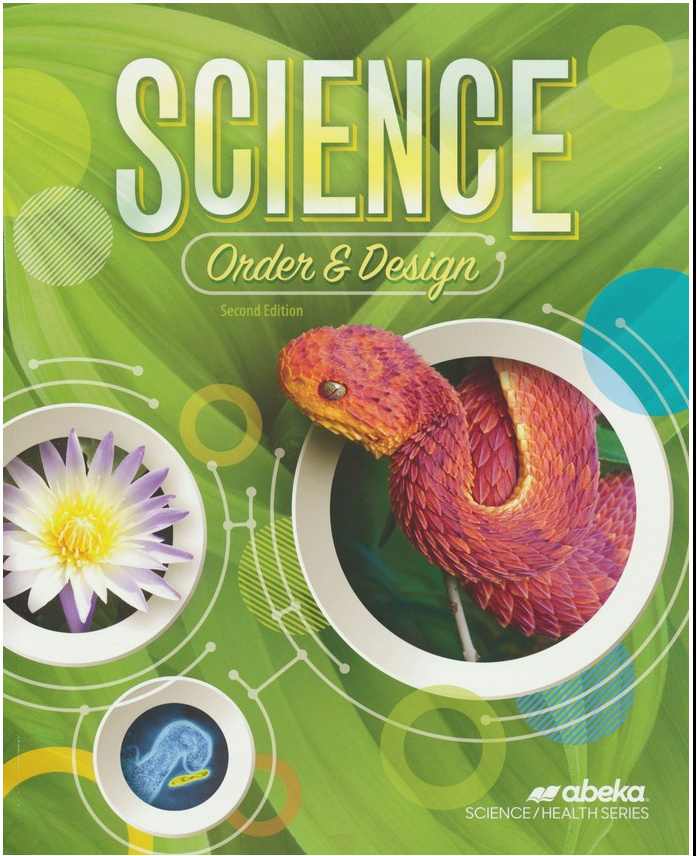
A Beka’s Science: Order & Design textbook
Homework
- Friday: Read pp. 226-228 & answer 3 questions of your choice on p. 228.
- Monday: Read pp. 229-233 & answer 4 questions of your choice on p. 235.
- Tuesday: Complete the Semester Exam (Test 6 from the A Beka Test Booklet). You may use your textbook to find the answers.
- Wednesday: Complete the Semester Exam (Test 6 from the A Beka Test Booklet). You may use your textbook to find the answers.
- PARTY ON DEC. 13: Next week everyone will get to “cash in” their tickets. We’ll have a class party that will include some review games & a gift exchange. Please bring a snack to share & a wrapped gift. (The gift does not have to be new, but it should be something a classmate would enjoy receiving – no junk. If it’s purchased, don’t spend more than $10.)
Looking for all my lessons?
- First Day of Class & Plant Identifications
- Parts of a Flower
- Amazing Plants (Horticulturist Guest Speaker)
- Seeds and Flower Families
- Photosynthesis and Plant Parts
- Cardiovascular, Respiratory, & Digestive Systems
- Skeletal, Muscular, & Integumentary Systems
- Endocrine & Nervous Systems and Healthy Living
- Human Baby Fetal Development (Pregnancy Care Center Guest Speaker)
- Creation and Science
- Creation, Evolution, & the Eyes of Faith
- Classifying Plants & Animals
- Amazing Mammals
- Mammal Dissection
- Semester Review & Winter Party
- Bird Anatomy
- Bird Features
- Bird Watching (Birding Guide Guest Speaker)
- Fish Anatomy and Dissection
- Invertebrates Anatomy and Dissections
- Frog Dissection
- Reptiles Show and Tell
- Insect Anatomy
- Singing & Social Insects
- Beneficial Insects (Entomology Guest Speaker)
- Arthropods (Crayfish & Grasshopper) Anatomy and Dissections
- Crustaceans & Arachnids
- Cells, Algae, and Fungi
- Protozoa and Bacteria
- Trees
- Ecology
- Semester Review & End of Year Party
- My Middle School American History Lessons
- All of My Hands-on Lessons & Unit Studies
© 2018 Shannon
Leave a Reply