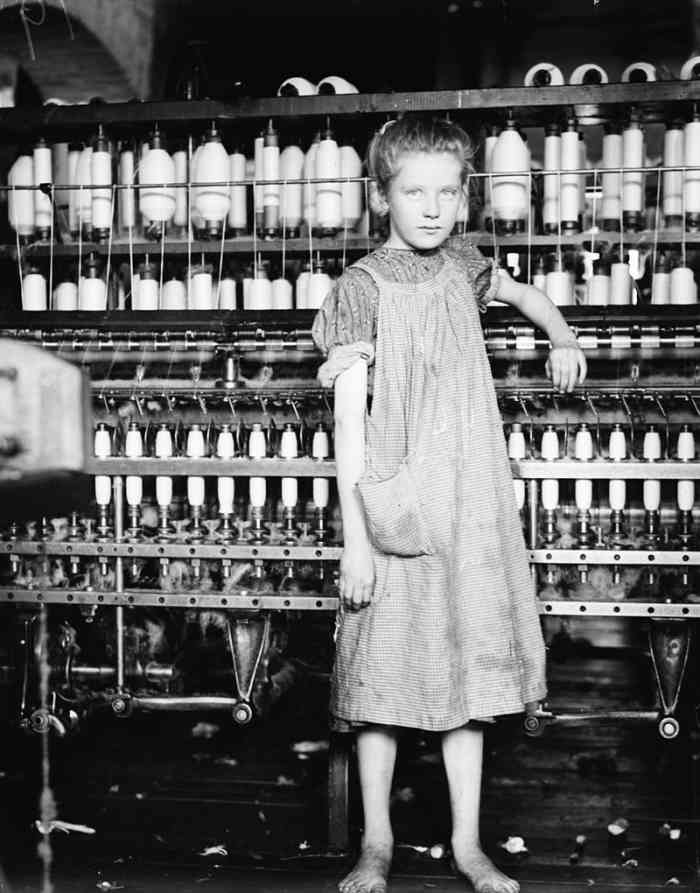
Lewis Wickes Hine, Addie Card, 12 years old. Spinner in cotton mill
Below you’ll find my lesson plan focused on Phase 1: Napoleon and Early Missions from “World Empires, World Missions, World Wars” by Diana Waring, part of the History Revealed curriculum. I used this during a weekly 50-minute homeschool co-op world history class!
Industrial Revolution

A Watt steam engine, invented by James Watt, who transformed the steam engine from a reciprocating motion that was used for pumping to a rotating motion suited to industrial applications.
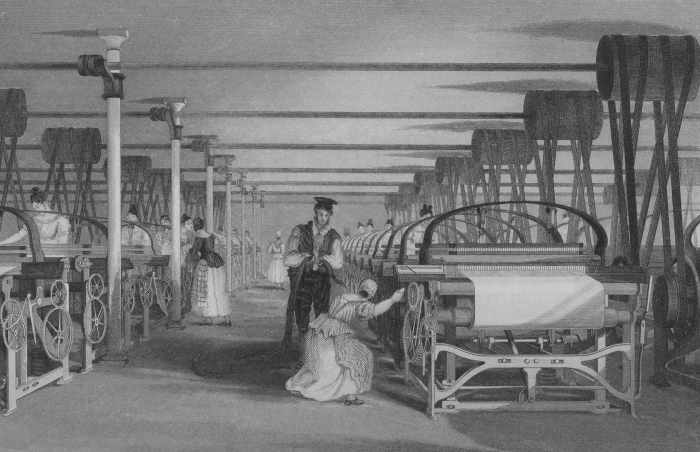
Power loom weaving
- Pass out tickets to students who did their homework. (Tickets are given as rewards and will be used at the end of the semester to redeem for prizes.)
- Class Discussion:
- Quickly share how students will get tickets for the class discussion. At the end of class, students who participate frequently in the class discussion will receive 7 tickets. Students who participate occasionally will receive 3 tickets. Students who participate rarely will receive 1 ticket.
- As you through the questions, briefly include additional information from the Teacher’s Edition.
- (As I set up the TV & YouTube video), have students divide into groups of 4-5 and discuss among themselves Question 1 from p. 72 in “World Empires, World Missions, World Wars” by Diana Waring. Then have one person from each group summarize who/what most people in their group found was most interesting and why.
YOU WILL NEED:
- tickets, World Empires, World Missions, World Wars by Diana Waring (brought by students) and a Bible
- Watch Watch Crash Course World History: Industrial Revolution. (Watch at 2x the speed. To save time, skip the part toward the end about unions.)
- Discuss Question 2 on the Industrial Revolution & slums and Question 3 on the British Railway from p. 72 in “World Empires, World Missions, World Wars” by Diana Waring.
George Müller
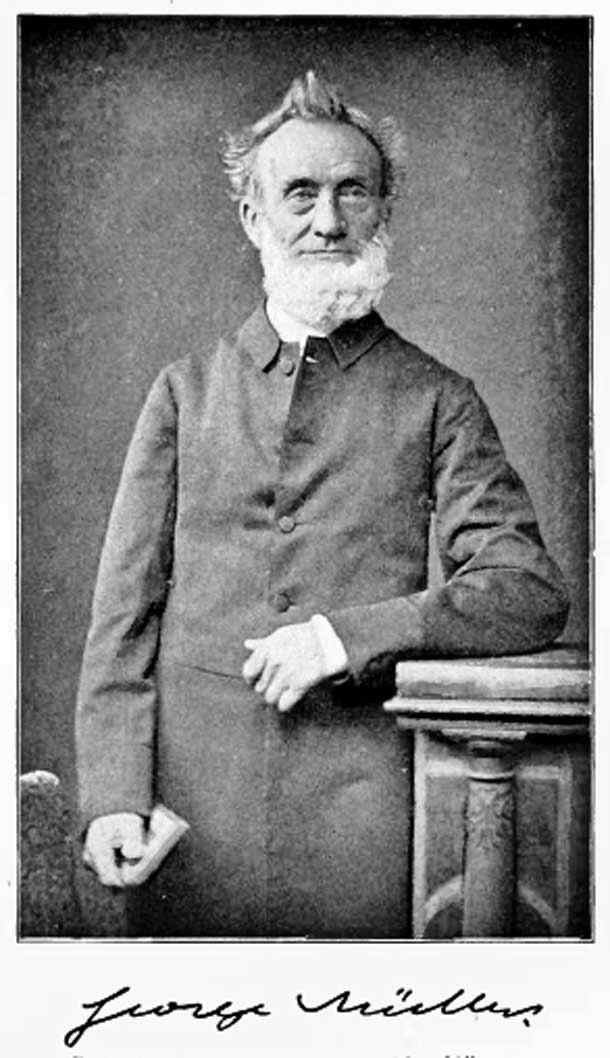
George Muller of Bristol by Arthur T. Pierson, 1899
- Watch the below video on George Muller: George Müller: A Life of Faith and the Bread and Milk Miracle Truly Inspiring. (We watched it at 1.75 speed.)
- Discuss Question 4: George Muller from p. 72 in “World Empires, World Missions, World Wars” by Diana Waring.
- Ask who has heard of Charles Dickens. What is he famous for doing? Name a book he wrote.
- Quickly mention that Charles Dickens heard that George Muller’s orphanage was in poor condition and the orphans were abused. He stopped by unannounced one morning. George Muller allowed him to tour the orphanage, instructing his guide to open any door Charles Dickens requested. After investigating for 3 hours, all Charles Dickens had to report was glowing praise and later wrote about how well-taken care of the children were.
Matthew 25:31-46: The Sheep and the Goats
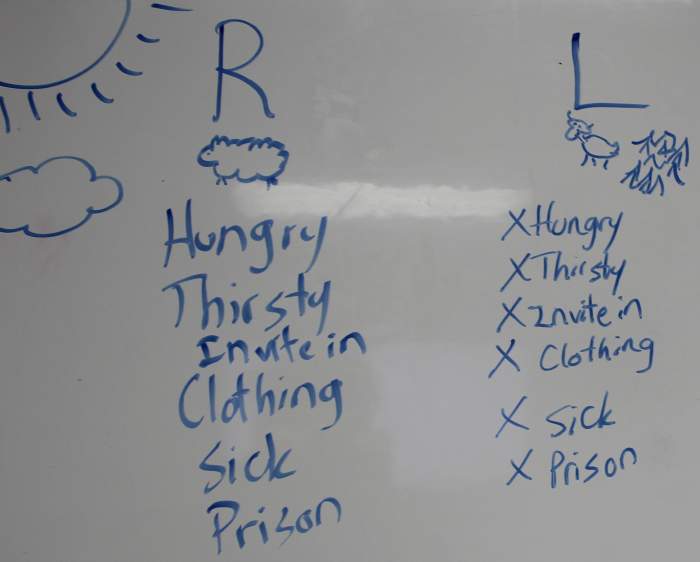
- Have a student read Matthew 25:31-46. (I gave the student a ticket for reading.)
- If desired, illustrate the passage on the board while the student reads.
- Discuss: How is this related to George Muller and what we’re discussing?
YOU WILL NEED:
- tickets and a Bible
Liberty
- Discuss Question 5: Wanting Liberty from p. 72 in “World Empires, World Missions, World Wars” by Diana Waring.
(***THIS IS AS FAR AS WE GOT. If you have additional time, continue discussing the questions from pp. 72-73.***)
Florence Nightingale
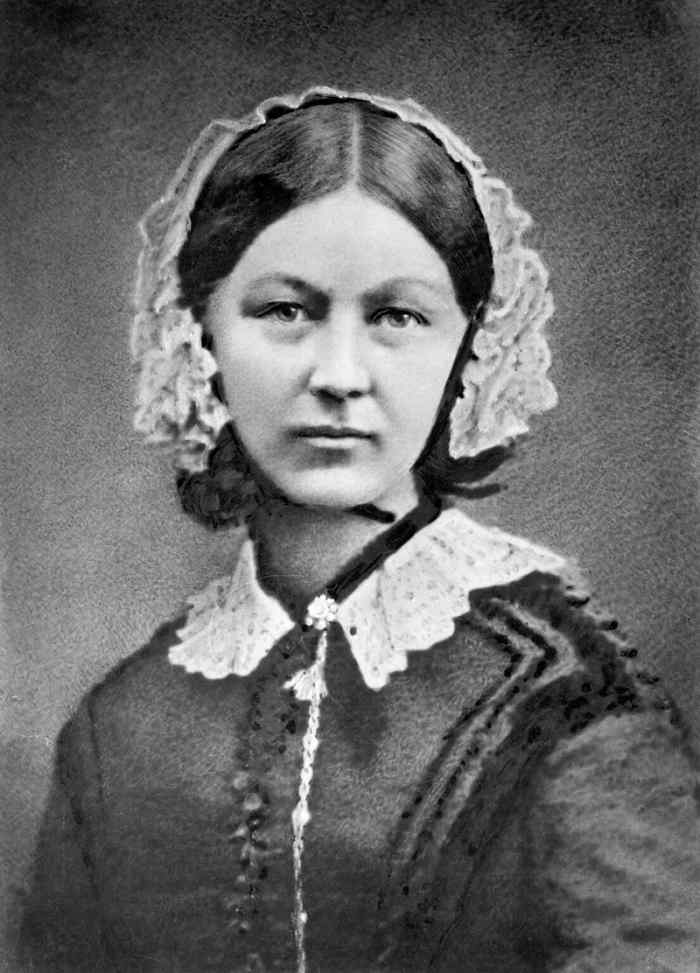
Florence Nightingale photograph by Henry Hering, c. 1860
- (If time allows) Watch the below video Florence Nightingale: Changing the Field of Nursing – Fast Facts | History HISTORY. (We watched it at 1.75 speed.)
- (If time allows) Discuss Question 6 from p. 73: Florence Nightingale in “World Empires, World Missions, World Wars” by Diana Waring.
- Go over what to do for their Research Projects due next week.
- I photocopied the extra ideas from the Teacher’s Edition so they could have additional options.
- I passed out the Rubric Sheet so the students can see what they should include. Read aloud what students will be graded on. They will earn a ticket for each point they earn on the Rubric Sheet.
- At minimum they should select a person or topic from pp. 39-41 and either read a book about it (preferred) or watch a video on it. Tell us what it said.
- Don’t forget to include a visual such as a poster board, picture from a book, drawing, etc.
YOU WILL NEED:
- “World Empires, World Missions, World Wars” Teacher’s Edition by Diana Waring and Rubrics for Grading Creative Projects in the History Revealed Curriculum by Diana Waring
Homework
- Complete a research project from pp. 79-81. Ask “Why?” & “How?” At minimum, read a book related to this unit and share about it in the next class. (Tip: Use the Phase 2 Rubric to make sure you’re including everything.)
- Optional: Listen to tracks 3-5 from Disc 1 and tracks 1-2 from Disc 2 of True Tales OR watch a YouTube video on James Watt, Napoleon III, Benito Juarez, or Simon Bolivar .
Our Favorite Children’s Books on Industrialization & the Church’s Response
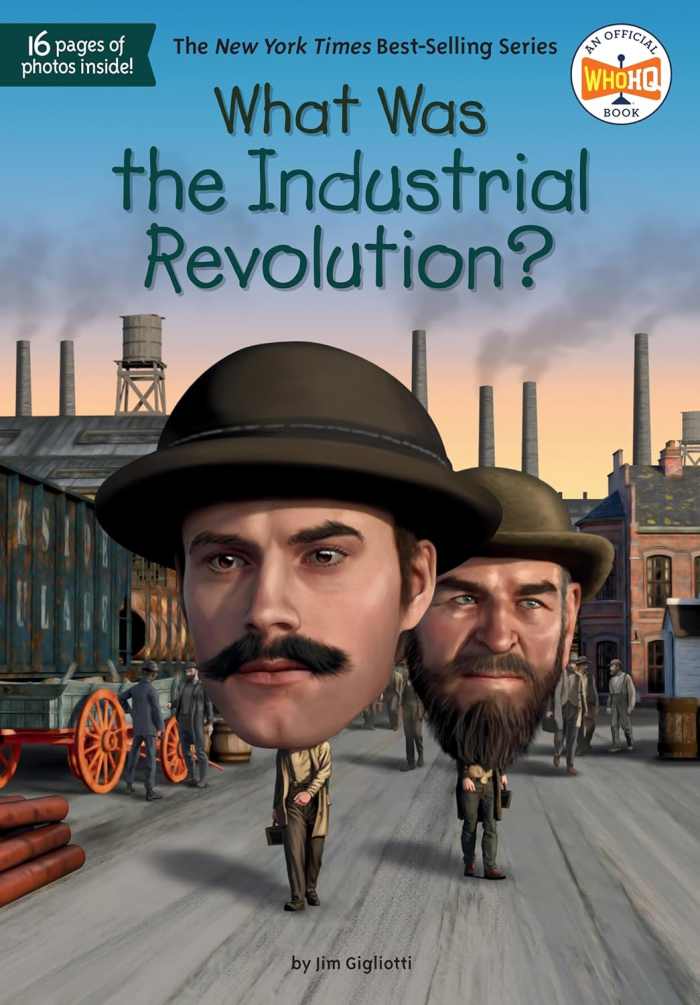
What Was the Industrial Revolution? by Jim E. Gigliotti – Book image from amazon.com
Below were our favorite children’s books for this unit:
Industrial Revolution:
- What Was the Industrial Revolution? by Jim E. Gigliotti (a short 112-page chapter book with black and white illustrations – *Note: We weren’t able to get this one to read but we always love the books from this series.)
- Watt Got You Started, Mr. Fulton?: A Story of James Watt & Robert Fulton by Robert M. Quackenbush (Excellent longer children’s picture book with black and white illustrations on every spread)
- Robert Fulton by Steven Kroll (The best children’s picture book I could find specifically on Robert Fulton)
- Samuel Morse, That’s Who!: The Story of the Telegraph and Morse Code by Tracy Nelson Maurer (Engaging with nice illustrations – My children picked this up on their own to read)
- Samuel Morse and the Telegraph by David Seidman (Part of the Graphic Library series)
George Muller:
- George Muller Faith to Feed Ten Thousand by Renee Meloche (This is a picture book with color illustrations and rhyming text.)
- George Muller: The Guardian of Bristol’s Orphans (Christian Heroes: Then and Now) by Janet Benge (This is an excellent chapter book on his life. We listened to the audio book.)
Charles Dickens:
- Who Was Charles Dickens? by Pam Pollack (a short 112-page chapter book with black and white illustrations)
- Charles Dickens: Scenes from an Extraordinary Life by Mick Manning (a longer picture book with colorful illustrations on each page that covers the life of Charles Dickens)
- Oliver Twist by Focus on the Family’s Radio Theater (audio CD – If you’re like my family and enjoy dramatized audio stories, this is a great option. We listened to it while driving and during lunch time. My kids always begged for us to keep listening and my older children found copies of the book [some abridged] and read the story themselves.)
Florence Nightingale and the Crimean War:
- Florence Nightingale by Demi (Longer picture book on her life with gorgeous illustrations)
- Florence Nightingale (On My Own Biographies) (This is also a children’s book bibliography. I liked this one because it includes how Florence felt called by God to do her work.)
- Mary Seacole : Bound for the Battlefield by Susan Goldman Rubin (Picture book about another nurse who worked tirelessly during the Crimean War. She started as a nurse and innkeeper in Jamaica, helping soldiers there. Unfortunately, Florence Nightingale wouldn’t work with her because of the shade of her skin. Nonetheless, she helped many soldiers using her own money.)
Political Figures:
- Benito Juárez Fights for Justice by Beatriz Gutiérrez Hernández (Shorter picture book about his life and how he became president of Mexico)
- A Picture Book of Simón Bolívar by David A. Adler (This was the best children’s book I could find on Simon Bolivar.)
Looking for all my History Revealed lessons?
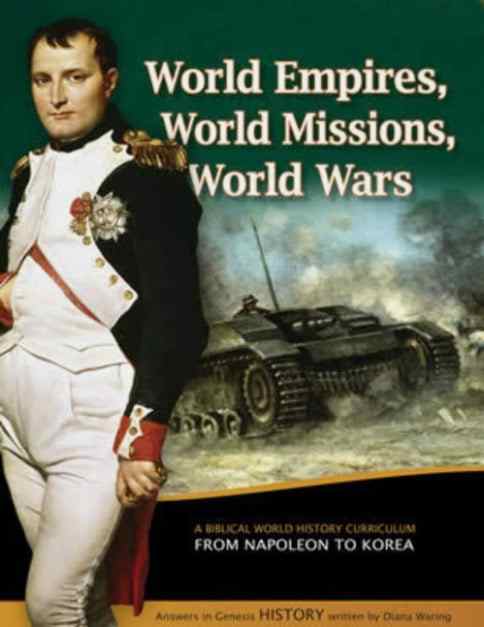
“World Empires, World Missions, World Wars” by Diana Waring
UNIT 1: NAPOLEON & EARLY MISSIONS
- Napoleon Lesson Plan (Unit 1: Phase 1)
- Napoleon Exploration and Discovery Lesson Plan (Unit 1: Phase 2)
- Napoleon Art, Music, Architecture, and Science Hands-on Lesson Plan (Unit 1: Phase 3)
- Napoleon Creative Projects and French Foods Lesson Plan (Unit 1: Phase 4)
UNIT 2: INDUSTRALIZATION & THE CHURCH’S RESPONSE
- Industrialization Class Discussion Lesson Plan (Unit 2: Phase 1)
- Industrial Revolution Exploration and Discovery Lesson Plan (Unit 2: Phase 2)
- Industrial Revolution: Art, Music, and Architecture Lesson Plan (Unit 2: Phase 3)
© 2025 Shannon
Leave a Reply